The amyloid rollercoaster continues as another big Alzheimer’s trial fails

Are researchers wrong to keep working on anti-amyloid treatments for Alzheimer's after years of clinical trial failures?

A new announcement from pharmaceutical company Roche has revealed the failure of a massive global Phase 3 trial testing its latest anti-amyloid Alzheimer’s disease treatment. The failure marks another twist in the ongoing rollercoaster of research looking for drugs to reduce build-up of the protein commonly believed to be the primary pathological cause of Alzheimer’s neurodegeneration.

Continue Reading

Category: Health & Wellbeing, Lifestyle

Tags: , , , ,

Continue reading The amyloid rollercoaster continues as another big Alzheimer’s trial fails
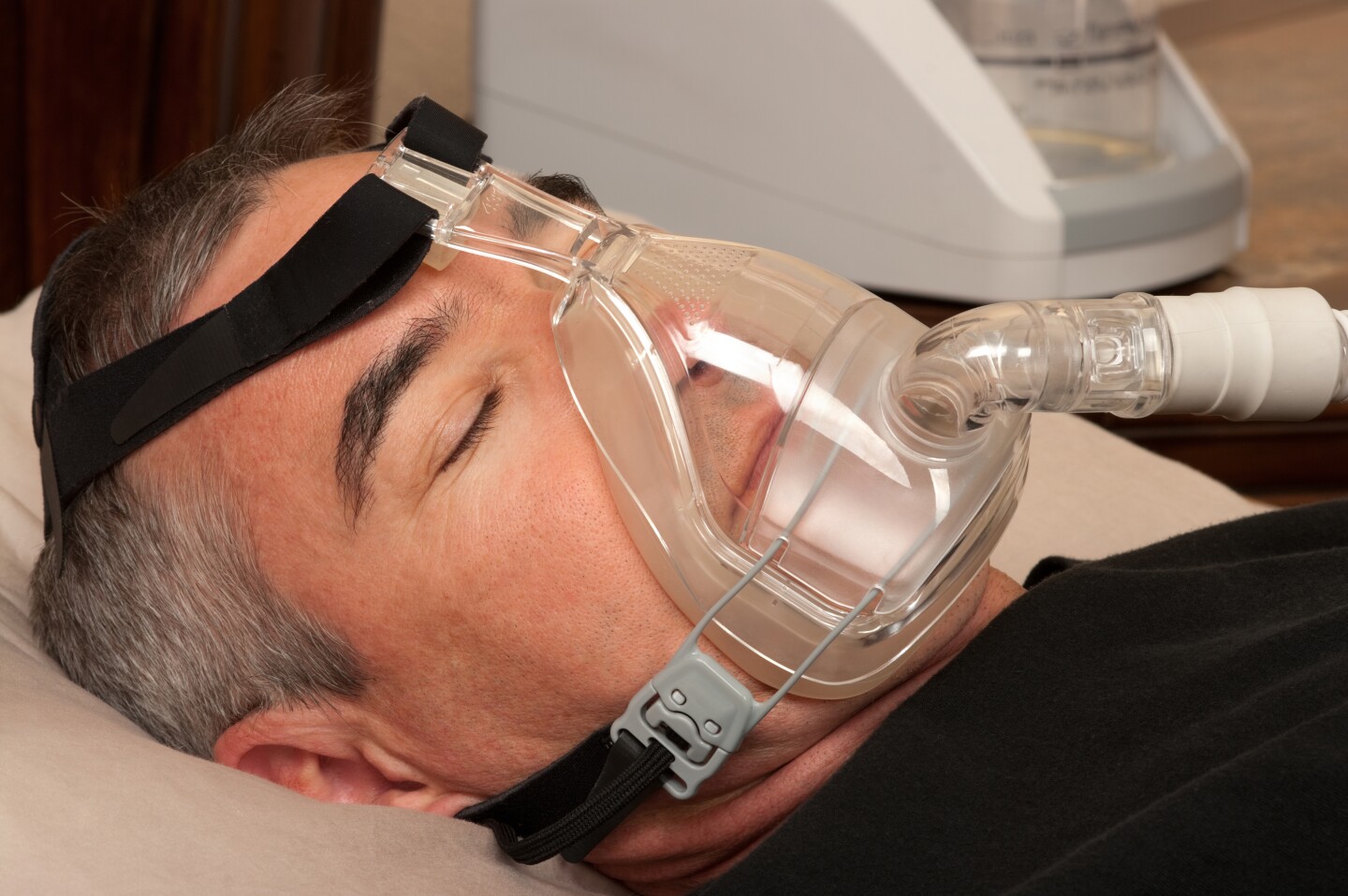
Sleep apnea may be a causal factor for Alzheimer’s, study concludes

A new study has added to a large body of observational evidence linking sleep apnea to Alzheimer's by demonstrating in mice how disordered sleep breathing affects the brain

New research in Nature Communications has strengthened the link between sleep apnea and dementia, by using novel preclinical models to demonstrate exactly how breathing disruptions during sleep can cause brain changes associated with Alzheimer’s disease.

Continue Reading

Category: Health & Wellbeing, Lifestyle

Tags: , , , , ,

Continue reading Sleep apnea may be a causal factor for Alzheimer’s, study concludes

Don’t worry – Picking your nose doesn’t cause Alzheimer’s disease

Could picking your nose really contribute to the onset of Alzheimer's disease?

It’s been a rough week for nose-pickers around the world, with a torrent of news headlines loudly declaring “scary evidence” has been found showing Alzheimer’s disease is linked with a bit of finger-based nasal exploration. Turns out this link comes from a deeply speculative press release and, according to several neuroscientists New Atlas contacted, is “extremely unlikely.”

Continue Reading

Category: Health & Wellbeing, Lifestyle

Tags: , , , ,

Continue reading Don’t worry – Picking your nose doesn’t cause Alzheimer’s disease

Declining anti-inflammatory molecules may play key role in brain aging

A new study is the first to provide evidence a type of fat cell, previously studied in rodent brains, can also be found in human brains

Researchers have discovered a unique type of fat molecule in the brain may have anti-inflammatory effects and play a crucial role in preventing age-related neurological disease. Animal studies demonstrate levels of the molecule decline with age and their absence could contribute to brain inflammation associated with age-related neurodegeneration.

Continue Reading

Category: Science

Tags: , , , , , , ,

Continue reading Declining anti-inflammatory molecules may play key role in brain aging

New trial finds first-ever Alzheimer’s drug to slow cognitive decline

Over 18 months those on lecanemab showed a 27% slower rate of cognitive decline compared to those in the placebo group

Pharmaceutical companies Eisai and Biogen have announced the first results from a Phase 3 human trial testing a drug designed to treat symptoms of dementia associated with Alzheimer’s disease. The drug seems to be successful at slowing cognitive decline, making it the first drug to ever effectively treat Alzheimer’s symptoms. However, experts are cautious in their optimism, suggesting more information is needed to understand exactly how meaningful this treatment will be for patients in the real world.

Continue Reading

Category: Health & Wellbeing, Lifestyle

Tags: , , , ,

Continue reading New trial finds first-ever Alzheimer’s drug to slow cognitive decline

Mild COVID increases risk of many neurological problems for millions

New research from the Washington University School of Medicine in St. Louis presents the most comprehensive investigation to date into the long-term neurological problems associated with COVID-19. Tracking more than 150,000 COVID patients for 12 months… Continue reading Mild COVID increases risk of many neurological problems for millions

Older COVID-19 survivors face increased Alzheimer’s risk, study finds

It is still unclear whether COVID-19 is hastening the progression of pre-existing neurodegeneration or prompting new disease

A new study tracking the health of more than six million older Americans over 2020 and 2021 has found COVID-19 nearly doubles a person’s risk of developing Alzheimer’s disease in the year following infection. The findings add to a growing body of research indicating SARS-CoV-2 infections can affect progression of several neurodegenerative diseases.

Continue Reading

Category: Health & Wellbeing, Lifestyle

Tags: , , , , , ,

Continue reading Older COVID-19 survivors face increased Alzheimer’s risk, study finds

Hormone secreted when exercising halts Parkinson’s decline in mice

An animal study found irisin, a hormone secreted by muscles during exercise, improved neurological symptoms of Parkinson's disease

A hormone believed to be released by muscles during exercise has been found to reduce levels of a toxic protein associated with Parkinson’s disease. The promising animal studies indicate future therapies could be developed based on the way this hormone improves brain health.

Continue Reading

Category: Science

Tags: , , , , , ,

Continue reading Hormone secreted when exercising halts Parkinson’s decline in mice

Oxford study finds increased dementia risk 2 years after COVID infection

New research is some of the first to look at the long-term effects of a COVID infection up to two years after the acute illness

New research published in The Lancet Psychiatry has offered the most comprehensive look at the long-term neurological effects of COVID-19 published to date, tracking more than one million people for up to two years. The findings revealed an increased risk of mood disorders such as depression and anxiety, following SARS-CoV-2 infection, returns to normal after a few months but increased rates of dementia are still being detected in older adults up to 24 months after the acute disease.

Continue Reading

Category: Health & Wellbeing, Lifestyle

Tags: , , , , , ,

Continue reading Oxford study finds increased dementia risk 2 years after COVID infection