Nasal Alzheimer’s drug effective regardless of brain plaque levels

Researchers have found that a drug, delivered through the nose, effectively reduced brain inflammation in mice with Alzheimer's disease

Researchers have found that an intranasal immunotherapy drug, currently being tested as a treatment for multiple sclerosis, reduced brain inflammation and improved cognition in mice with Alzheimer’s disease, independent of the amount of beta-amyloid plaques present. They say the treatment could benefit people in the later stages of the disease.

Continue Reading

Category: Medical, Science

Tags: , , , ,

Continue reading Nasal Alzheimer’s drug effective regardless of brain plaque levels

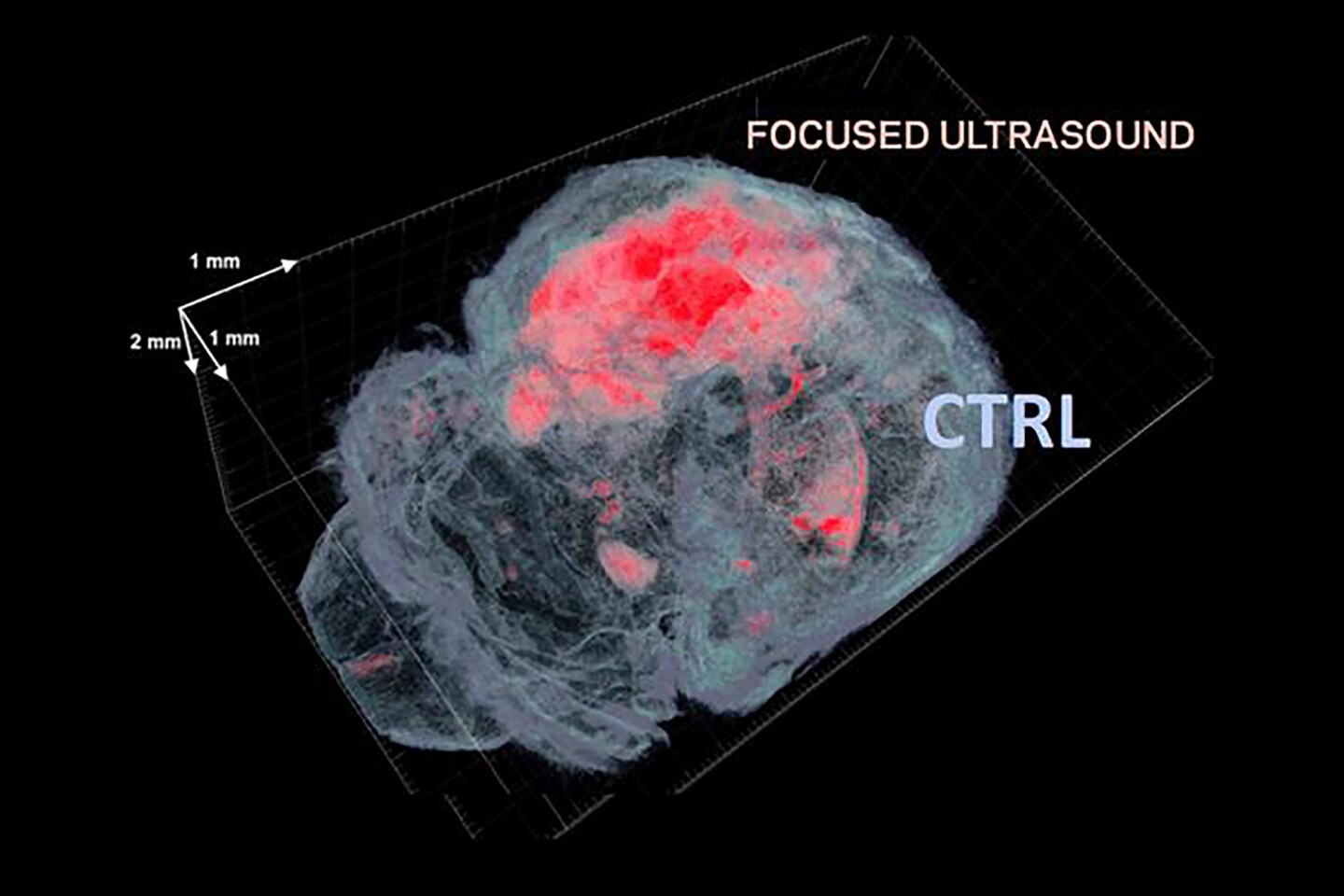
Focused ultrasound could be a non-invasive treatment for Alzheimer’s

Researchers have used focused ultrasound to non-invasively open up the blood-brain barrier (red) in mice

Two new studies have found that using focused ultrasound to open up the blood-brain barrier generated a positive immune response in the brain and allowed for the admission of gene-editing technology. The technique could be a non-invasive way of treating neurodegenerative diseases such as Alzheimer’s and Parkinson’s.

Continue Reading

Category: Medical, Science

Tags: , , ,

Continue reading Focused ultrasound could be a non-invasive treatment for Alzheimer’s

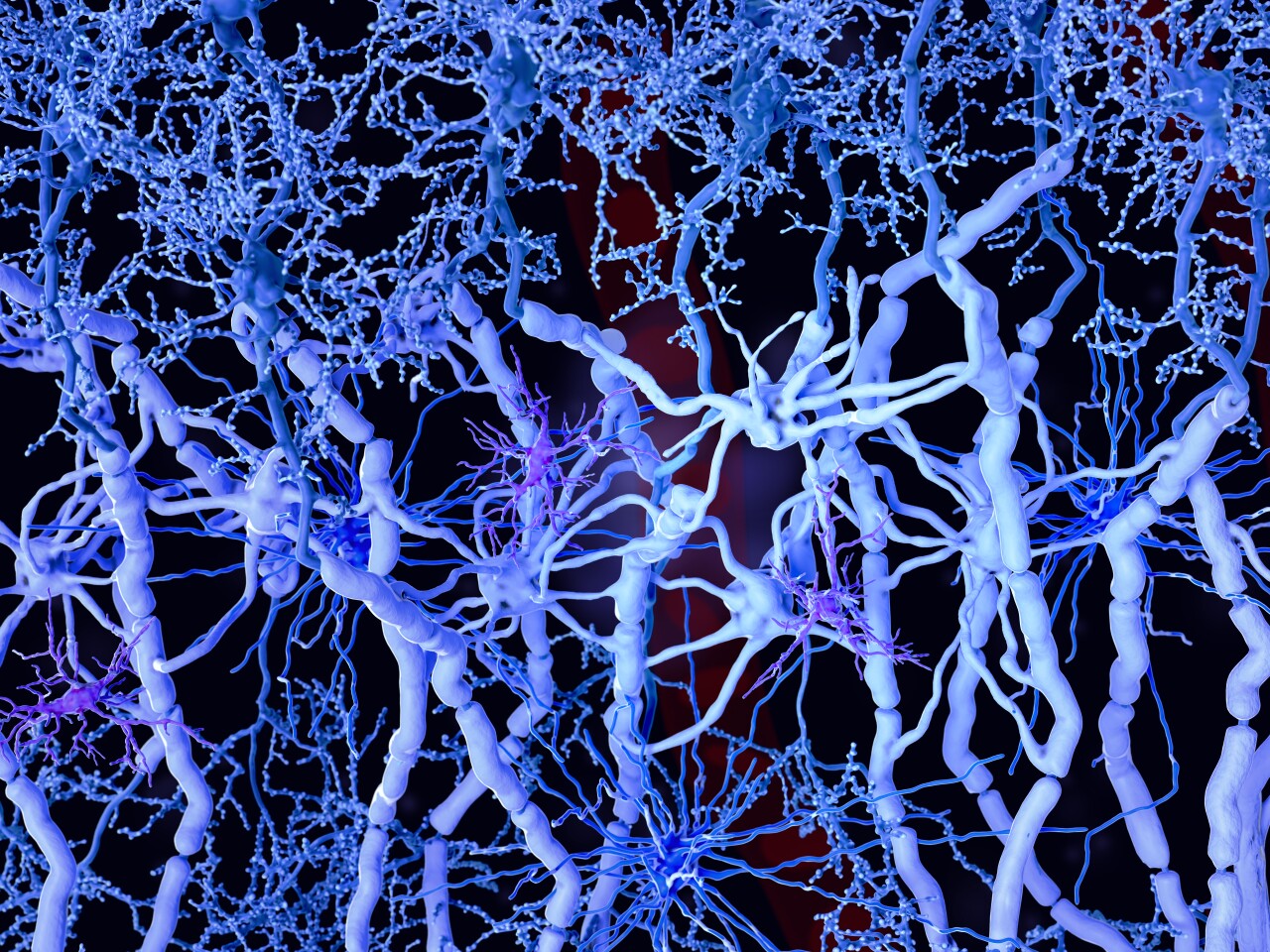
Scientists uncover new pathway of Alzheimer’s disease progression

Scientists have found that within the brain's white matter, which is made up of myelinated axons, a specific kind of cell death can accelerate cognitive decline

Scientists have discovered how a unique kind of cell death, due to iron toxicity, creates a snowball effect that advances cognitive decline. With this finding, a whole new approach to treatment could be developed.

Continue Reading

Category: Medical, Science

Tags: , , , , , , ,

Continue reading Scientists uncover new pathway of Alzheimer’s disease progression

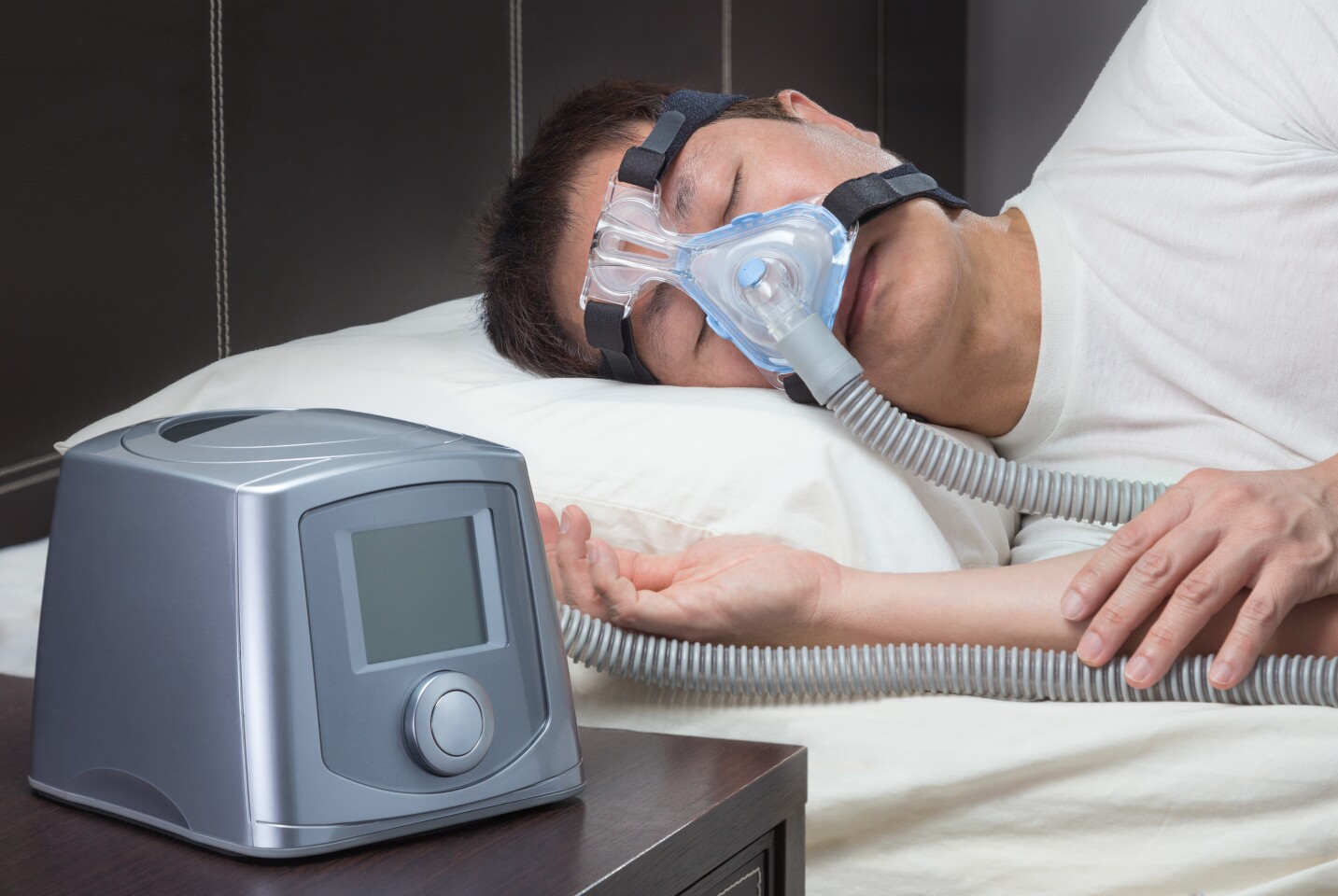
Study highlights wide-ranging health benefits of using CPAP machines

They can be challenging devices to wear, but new research shows CPAP machines address more than just sleep apnea

While effective in treating sleep apnea, continuous positive airway pressure (CPAP) machines are not the easiest to adapt to, which is why around 50% of those with sleep apnea give up on the life-saving devices. But there’s some good news for those who stick with it, with health benefits stretching further than treating obstructive sleep apnea (OSA) and its associated elevated risks of heart disease and stroke. Recent research has also linked OSA with a greater risk of developing Alzheimer’s disease.

Continue Reading

Category: Medical, Science

Tags: , , , , , ,

Continue reading Study highlights wide-ranging health benefits of using CPAP machines

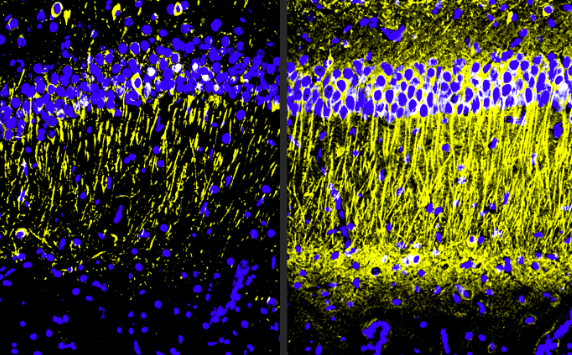
New molecule slams the brakes on Alzheimer’s disease inflammation

The brains of Alzheimer's model mice treated with A11 (right) showed more tubulin (yellow), a marker of neuronal health, compared to the untreated mice (left)

In an effort to find new treatments to halt the progression of Alzheimer’s disease, scientists at The Picower Institute for Learning and Memory at the Massachusetts Institute of Technology (MIT) have landed on a molecule that can improve memory by putting the brakes on a process that causes brain inflammation.

Continue Reading

Category: Medical, Science

Tags: , , , , , , ,

Continue reading New molecule slams the brakes on Alzheimer’s disease inflammation

Eye scan may detect Parkinson’s up to 7 years before it’s diagnosed

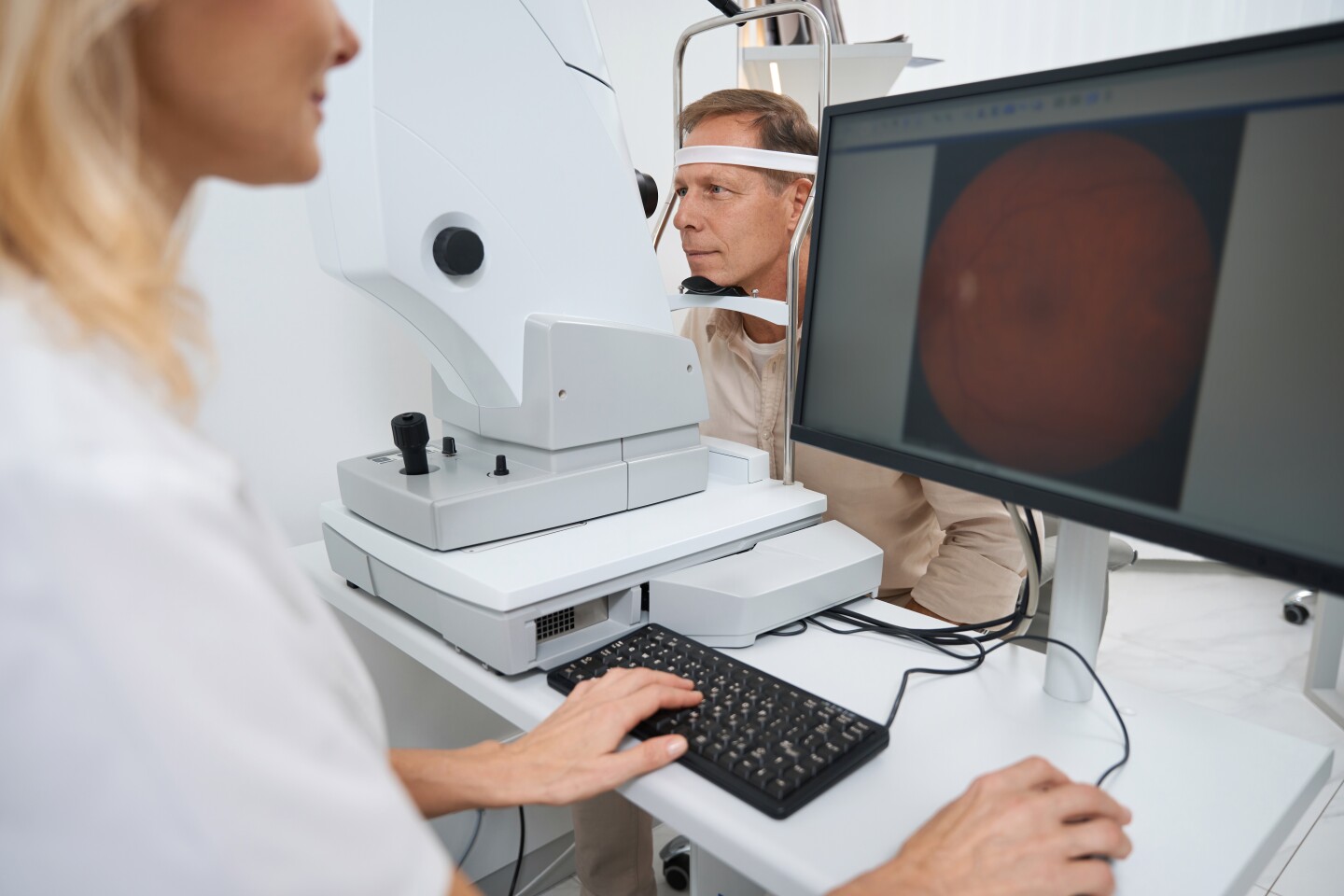
Retina scans may be able to reveal more than just the state of your vision

For the first time, scientists have identified a marker in the retina that may lead to the development of Parkinson’s disease, and it may be detected years prior to diagnosis.

Continue Reading

Category: Medical, Science

Tags: , , , , , , , , , ,

Continue reading Eye scan may detect Parkinson’s up to 7 years before it’s diagnosed

Intermittent fasting alleviates debilitating Alzheimer’s symptoms

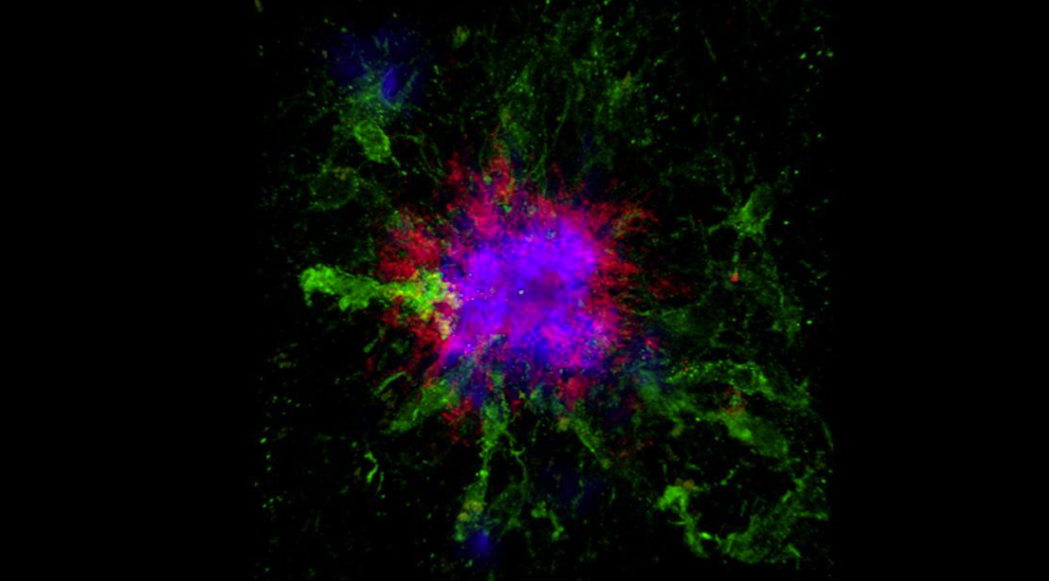
This confocal microscopy image shows amyloid plaques (blue and red) in the brain of a mouse – the accumulation of amyloid plaques is so far the most well-documented biochemical hallmark of Alzheimer’s disease

Six million Americans are currently living with Alzheimer’s disease, with numbers expected to jump to around 13 million by 2050. This doesn’t take into account the many more millions of loved ones whose lives are also upended by the progressive neurodegenerative disease.

Continue Reading

Category: Medical, Science

Tags: , , , , , , , ,

Continue reading Intermittent fasting alleviates debilitating Alzheimer’s symptoms

Routine vaccines reduce Alzheimer’s risk by up to 30% in over 65s

New research found that the risk of developing Alzheimer's disease in people aged 65 and over is significantly reduced if they've received routine vaccinations

New research has found that people aged 65 and over who’ve received routine vaccinations are significantly less likely to develop Alzheimer’s disease. The study highlights the importance of vaccination not only in protecting against infectious diseases but in providing a degree of protection against dementia.

Continue Reading

Category: Health & Wellbeing, Lifestyle

Tags: , , ,

Continue reading Routine vaccines reduce Alzheimer’s risk by up to 30% in over 65s

Growing evidence linking wildfire air pollution to dementia

It's not news that wildfire smoke is hazardous, but the growing link with age-related dementia is concerning scientists across the globe

It’s well established that any air pollution is likely to be bad for your health, with it claiming some 6.5 million lives around the world each year. But one type of emission is being increasingly linked to age-related dementia, and it’s also surging due to wildfires.

Continue Reading

Category: Medical, Science

Tags: , , , , , ,

Continue reading Growing evidence linking wildfire air pollution to dementia

New link between acid reflux medicines and dementia

One of the many popular brands of PPIs commonly used in the US

Previously linked to a higher risk of stroke and heart attack, popular acid reflux medicines have now been connected to an increased likelihood of developing age-related dementia.

Continue Reading

Category: Medical, Science

Tags: , , , , ,

Continue reading New link between acid reflux medicines and dementia