McDonald’s is serious about their fries. When they were forced by shifting public opinion (drunkenly swaggering around as it always does) to switch from their beef tallow and cottonseed oil mixture to a vegetable oil mixture; they spent millions to find a solution that retained the taste. How they make the fries is not the worlds most closely guarded secret, but they do have a unique flavor, texture, and appearance which is a product of lots of large scale industrial processes. [J. Kenji López-Alt] decided to reverse engineer the process.
His first problem was of procurement. He could easily buy …read more
 Continue reading Reverse Engineering the McDonald’s French Fry→
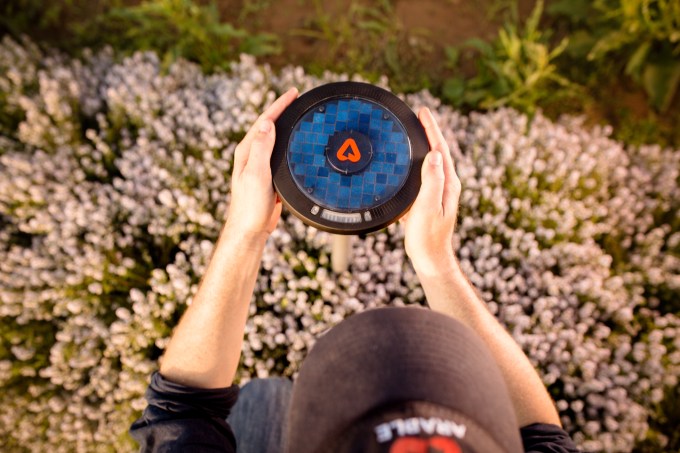 A Princeton, New Jersey startup called Arable Labs Inc. recently unveiled a professional-grade crop and weather sensor that’s solar powered, rugged and was designed by Fred Bould, the creative talent behind the Nest thermostat, smoke and carbon monoxide detector, as well as Fitbit, GoPro and Roku products. The Pulsepod, which looks something like the head of a small drum or a…
  A startup based in Branford, Connecticut, Ancera Inc. has raised $8.9 million in Series A funding for technology that helps food producers detect contaminants faster than other methods will allow.