Skip to content

WindowsTechs.com

Collaborate Disseminate

Menu

Primary menu

  • Home

Forgotten passwords are bane of the Internet. Facebook wants to fix that

Posted on January 31, 2017 by Dan Goodin

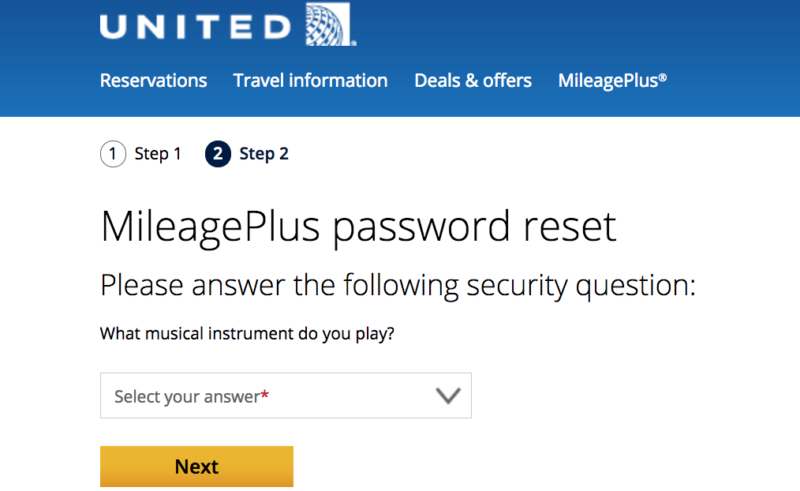
Enlarge / Account recovery programs like this one from United Airlines pose a significant threat to users. (credit: Dan Goodin)

Facebook is unveiling a new service that remedies one of the biggest headaches facing online users today—the forgotten password.

Starting Tuesday, Facebook will offer a service that allows users who lose their GitHub login credentials to securely regain access to their accounts. The process takes only seconds and uses a handful of clicks over encrypted HTTPS Web links. To set it up, Facebook users create a GitHub recovery token in advance and save it with their Facebook account. In the event they lose their GitHub login credentials, they can reauthenticate to Facebook and request the token be sent to GitHub with a time-stamped signature. The token is encrypted so Facebook can’t read any of the personal information it stores. After the request is sent, the GitHub account is restored. With the exception of Facebook’s assertion that the person recovering the GitHub account is the same person who saved the token, Facebook and GitHub don’t share any personal information about the user.

The service is designed to eliminate the hassle and significant insecurity found in most account recovery systems that exist now. One common recovery method involves answering security questions. Many of the questions—for instance, “What is your favorite sport?” and “What is your favorite pizza topping?” asked by United Airlines—are easily guessed. That leaves people susceptible to account takeovers. Other methods, such as delivering security tokens by e-mail or SMS text message, lack the kind of end-to-end encryption that’s increasingly expected for secure communications.

Read 2 remaining paragraphs | Comments

This entry was posted in account recovery, account takeover, Facebook, github, Law & Disorder, passwords, Risk Assessment, Technology Lab by Dan Goodin. Bookmark the permalink.

Post navigation

← Previous Previous post: MLB fines Cardinals $2 million for computer hack
Next → Next post: Storing user credentials in local file or database

Primary Sidebar Widget Area

Infocon Status

Internet Storm Center Infocon Status

Recent Posts

  • Why we use CAPTCHAs, (Mon, May 11th) May 11, 2026
  • I jailbroke my old Kindle to install KOReader – but there’s a better way to extend its life May 11, 2026
  • Google Detects First AI-Generated Zero-Day Exploit May 11, 2026
  • Google spotted an AI-developed zero-day before attackers could use it May 11, 2026
  • ⚡ Weekly Recap: Linux Rootkit, macOS Crypto Stealer, WebSocket Skimmers and More May 11, 2026

Tag Cloud

Agriculture Alzheimer's Disease Art Audio Automation Bluetooth Building and Construction Campervan Camping Cancer Coronavirus (COVID-19) Cycling Dementia Diabetes DNA Electric Vehicles Food Home House Huawei Indiegogo MIT Mobility Moon New Atlas Audio NVIDIA Off-grid Off-road Pedal-assisted Photography Physics Radio Repair RV Samsung Satellite Sony SpaceX spoofing sustainable design The Immune System Tiny Footprint Training Water Zoom

Archives

  • Facebook
  • Twitter
  • Linkedin
  • Email
Copyright © 2026 WindowsTechs.com. All Rights Reserved.
Theme: Catch Box by Catch Themes
Scroll Up