Flashback on CVE-2019-19781, (Thu, May 28th)

First of all, did you know that the Flame[1] malware turned 8 years today! Happy Birthday! This famous malware discovered was announced on May 28th, 2012. The malware was used for targeted cyber espionage activities in the Middle East area. If this malware was probably developed by a nation-state organization. It infected a limited amount of hosts (~1000 computers[3]) making it a targeted attack.

Continue reading Flashback on CVE-2019-19781, (Thu, May 28th)→

Posted in Uncategorized

Frankenstein’s phishing using Google Cloud Storage, (Wed, May 27th)

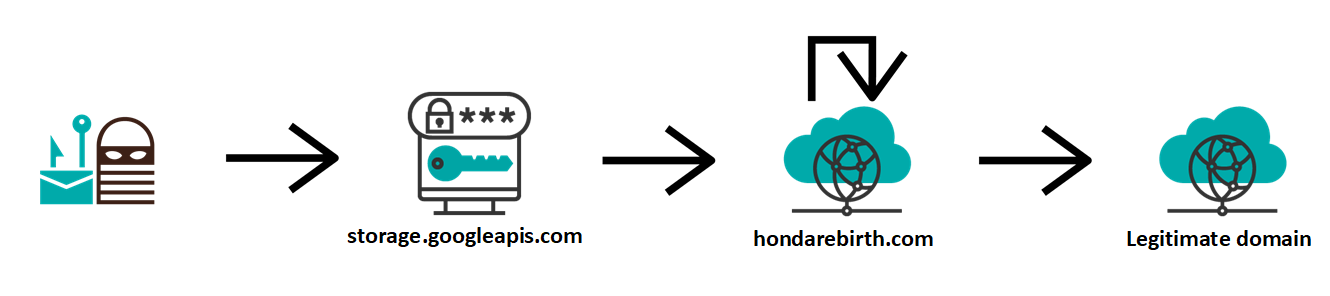
Phishing e-mail messages and/or web pages are often unusual in one way or another from the technical standpoint – some are surprisingly sophisticated, while others are incredibly simple, and sometimes they are a very strange mix of the two. The latter was the case with an e-mail, which our company e-mail gateway caught last week – some aspects of it appeared to be professionally done, but others screamed that the author was a “beginner†at best.

Continue reading Frankenstein’s phishing using Google Cloud Storage, (Wed, May 27th)→

Posted in Uncategorized

Seriously, SHA3 where art thou?, (Tue, May 26th)

A couple weeks ago, Rob wrote a couple of nice diaries. In our private handlers slack channel I was joking after the first one about whether he was going to rewrite CyberChef in PowerShell. After the second I asked what about SHA3? So, he wrote another one (your welcome for the diary ideas, Rob). I was only half joking.

Continue reading Seriously, SHA3 where art thou?, (Tue, May 26th)→

Posted in Uncategorized

AgentTesla Delivered via a Malicious PowerPoint Add-In, (Sat, May 23rd)

Attackers are always trying to find new ways to deliver malicious code to their victims. Microsoft Word and Excel are documents that can be easily weaponized by adding malicious VBA macros. Today, they are one of the most common techniques to compromise a computer. Especially because Microsoft implemented automatically executed macros when the document is opened. In Word, the macro must be named AutoOpen(). In Excel, the name must be Workbook_Open(). However, PowerPoint does not support this kind of macro. Really? Not in the same way as Word and Excel do!

Continue reading AgentTesla Delivered via a Malicious PowerPoint Add-In, (Sat, May 23rd)→

Posted in Uncategorized